
Construction sites in Calgary are busy, dynamic environments filled with valuable materials, tools, heavy machinery, and rotating crews. These factors make them highly vulnerable to theft, vandalism, trespassing, fire hazards, and operational disruptions. Every year, construction companies across Canada report massive losses because of poor security planning. For builders and project managers searching for Construction Site Security Calgary, this guide delivers real, actionable insights that help eliminate risks and improve site protection.
Below are the top 12 security risks Calgary construction sites face — and how to prevent each one with practical, proven strategies.
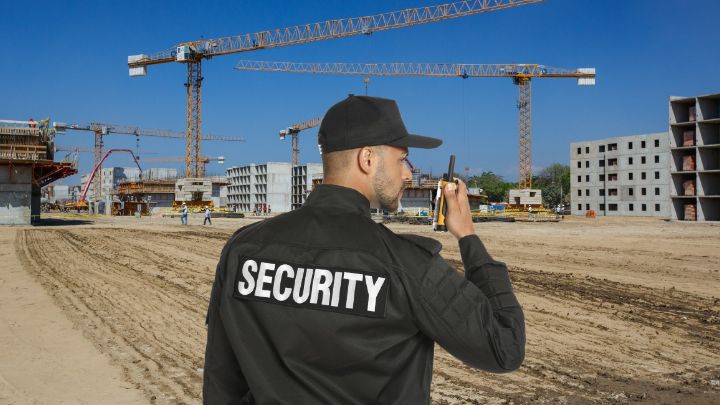
Why Security Is Critical for Calgary Construction Sites
Calgary’s construction landscape brings unique challenges:
-
Many sites are located in expanding suburbs or industrial zones with limited surveillance.
-
Long winter nights increase the window for criminal activity.
-
Urban projects are often surrounded by public walkways, increasing risks of unauthorized entry.
-
High demand for metals, lumber, and fuel makes construction sites prime theft targets.
Strong security isn’t optional — it’s essential for safety, insurance compliance, and project continuity.
1. Theft of Tools, Materials, and Machinery
The Risk
Theft is the most common and costly issue on construction sites. Items like copper wiring, lumber, power tools, generators, and fuel are easy to steal and resell.
How to Prevent It
-
Lockable Containers: Secure tools and materials inside sea cans or tool cribs.
-
Asset Logging: Track tools and assign ID numbers, using a daily check-in/out sheet.
-
Machine Immobilization: Use wheel locks, GPS shutdown systems, or remove batteries at day’s end.
-
On-Site Security Guards: A uniformed guard presence is one of the strongest theft deterrents.
-
Lighting + CCTV: Bright lighting and monitored cameras reduce blind spots.
2. Vandalism and Deliberate Damage
The Risk
Empty sites attract vandals, leading to broken windows, graffiti, damaged interiors, or destroyed equipment. Besides repair costs, vandalism can delay project deadlines.
How to Prevent It
-
Secure Perimeter: Install strong fencing with locked gates.
-
Warning Signage: “No Trespassing” and “24/7 Surveillance” signs discourage casual intruders.
-
Mobile Patrols: Night patrols can check vulnerable areas consistently.
-
Quick Repairs: Fix vandalism immediately to avoid making the site look abandoned.
3. Trespassing and Unauthorized Entry
The Risk
Calgary construction sites often attract trespassers: teens exploring, thrill-seekers, unhoused individuals, or curious passersby. Unauthorized entry leads to accidents, liability issues, and disruptions.
How to Prevent It
-
Single Entry Point: Centralize check-ins and site access.
-
Visitor Logs: Everyone entering must sign in and wear a badge.
-
Security Patrols: Guards can actively remove trespassers and inspect danger zones.
-
Lock Ladders & Access Points: Prevent climbing onto scaffolds or upper floors.
4. Fire, Arson, and Hot-Work Hazards
The Risk
Fuel, heaters, welding tools, and electrical work create a high fire risk. Calgary’s dry climate and windy conditions can worsen fire spread.
How to Prevent It
-
Fire Watch Guards: Trained personnel monitor high-risk zones during and after hot work.
-
Safe Fuel Storage: Keep propane, gas, paints, and chemicals in certified, locked cabinets.
-
No-Smoking Enforcement: Clear policies with strict penalties.
-
Temporary Alarms: Install smoke/heat detectors and monitored fire alarms.
-
Daily Cleanup: Remove debris and scrap that could act as fuel.
5. Weak Access Control and Identity Management
The Risk
Poor access control is one of the easiest ways for thieves to blend in as “workers.” Without proper checks, anyone can walk in or drive a vehicle onto site.
How to Prevent It
-
Controlled Gates: Have only one or two access points.
-
Badges/IDs: Assign badges or color-coded vests to workers, contractors, and visitors.
-
Guard Supervision: Security personnel verify identity and sign-in logs.
-
Daily Crew Lists: Supervisors provide names of expected workers.
6. Poor Perimeter Security
The Risk
Gaps in fencing, broken gates, or hidden corners provide easy opportunities for intruders.
How to Prevent It
-
Continuous Fencing: Use durable fencing around the entire site.
-
Fence Inspection: Check for cuts, loose panels, and climbing aids.
-
Eliminate Blind Spots: Avoid storing materials near the perimeter.
-
Perimeter Lighting: Bright lighting gives fewer hiding spots.
-
Patrol Routes: Guards must walk or drive the full perimeter frequently.
7. Lack of CCTV, Remote Monitoring, and Alarms
The Risk
Without cameras, alarms, or live monitoring, sites are exposed after work hours — the most common time for crime.
How to Prevent It
-
CCTV Towers: Mobile towers cover large sites and include motion lights and loudspeakers.
-
Live Monitoring: Remote monitoring centres respond instantly to alerts.
-
Video Verification: Helps confirm real events and reduce false alarms.
-
Alarmed Containers: Install sensors on storage units and site offices.
8. Insider Theft and Subcontractor Misuse
The Risk
Some theft comes from inside: workers, subcontractors, or former employees who understand site operations.
How to Prevent It
-
Tool Logging: Sign tools in/out daily.
-
Limit Keys & Codes: Only trusted supervisors hold keys and PIN codes.
-
Instant Deactivation: Remove access as soon as workers leave the project.
-
Activity Reporting: Guards report suspicious worker behavior or patterns.
9. Hazardous Materials Stored Unsafely
The Risk
Chemicals, fuels, propane tanks, and pressurized cylinders can cause fires, explosions, or health incidents if unsecured.
How to Prevent It
-
Caged Storage: Lock all hazardous materials in fenced cages or dedicated containers.
-
Inventory Management: Count containers and chemicals regularly.
-
Authorized Access Only: Only trained workers should access chemicals.
-
Security Patrol Checks: Guards ensure storage areas remain secured.
10. Unmonitored Deliveries and Vendor Entry
The Risk
Delivery trucks frequently enter construction sites. Without supervision, unauthorized drivers can enter, drop materials improperly, or even steal items.
How to Prevent It
-
Delivery Schedule: Create a daily list of expected trucks.
-
Guard Verification: Security checks IDs, paperwork, and vehicle details.
-
Escort Protocol: High-value deliveries must be escorted to the correct zone.
-
Record Keeping: Log every delivery with time, license plate, and signature.
11. Poor Documentation and Compliance Issues
The Risk
Missing reports, undocumented incidents, or lack of daily inspection logs hurt insurance claims, safety audits, and legal compliance.
How to Prevent It
-
Incident Logs: Document all trespassing, theft attempts, and hazards.
-
Digital Guard Reports: Security providers give photo-based patrol reports.
-
Training & Policies: Train workers on security rules and reporting procedures.
-
Regular Reviews: Update security plans as the project evolves.
12. No Proper Security Plan or Risk Assessment
The Risk
Many companies only add security after something goes wrong. Reactive security leads to wasted money and bigger risks.
How to Prevent It
-
Full Site Walkthrough: Identify high-risk zones: storage areas, fuel zones, blind corners, entry gates.
-
Layered Security Model:
-
Perimeter protection
-
Access control
-
Security guards
-
Cameras and alarms
-
Policies and training
-
-
Adjust Monthly: Update security needs as the project moves from foundation to framing to completion
How to Build a Strong Security Plan for Calgary Construction Sites
A powerful construction security strategy uses multiple layers of protection:
1. Perimeter Protection
-
Fencing
-
Locked gates
-
Lighting
-
Barriers
-
Signage
2. Access Control
-
Visitor logs
-
ID verification
-
Crew lists
-
Controlled entry points
3. On-Site Security Guards
-
Night guards
-
24/7 guards
-
Gate officers
-
Fire watch personnel
-
Mobile patrols
4. CCTV + Monitoring
-
Mobile surveillance towers
-
Motion detectors
-
Loudspeaker warnings
-
Remote monitoring hubs
5. Security Policies
-
Tool signing
-
Lock-up routines
-
Worker training
-
Supervisor responsibility
6. Ongoing Risk Assessments
-
Weekly and monthly reviews
-
Updated procedures for new phases
-
Reporting and communication systems
When these layers work together, construction sites drastically reduce theft, vandalism, fire hazards, and liability issues.
Quick Self-Audit Checklist for Calgary Construction Sites
Use this checklist to quickly evaluate risk:
-
Full fencing with no gaps
-
Controlled entry points
-
Visitor logs and ID badges
-
Locked tool containers
-
Immobilized heavy machinery
-
Bright perimeter lighting
-
Night guards or mobile patrols
-
Locked chemical storage
-
Verified deliveries only
-
Documented incidents
-
Updated security plan
If you check “No” to more than two items, your site needs immediate improvements.
When to Hire Professional Construction Security in Calgary
Partnering with trained security professionals benefits your site by providing:
-
Guard presence that deters theft
-
Dedicated fire watch, lock-up, and after-hours protection
-
Mobile patrols covering large areas
-
Remote monitoring and video verification
-
Detailed reporting for insurers and owners
-
Custom security plans for your project’s size and phase
A professional security provider ensures you’re protected from day one until completion, minimizing risk and maximizing project efficiency.
Final Thoughts
Calgary construction sites face real and costly security risks — from theft and vandalism to trespassing, fire hazards, and insider threats. A layered, proactive security plan is the only way to protect your workers, assets, timeline, and reputation.
By addressing these top 12 construction security risks and applying proven prevention strategies, your site can stay secure, compliant, and productive from start to finish.