
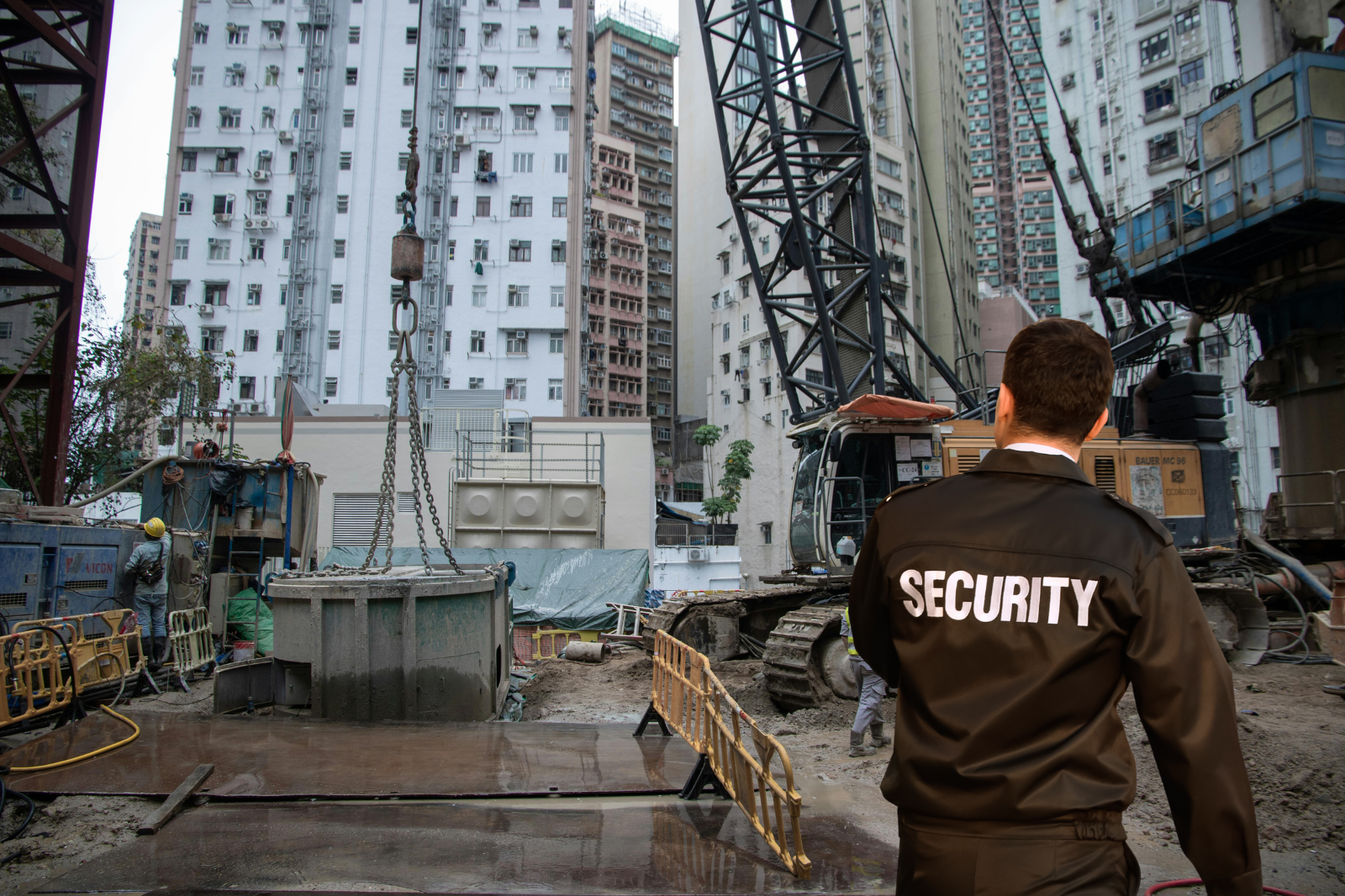
Large commercial construction projects are high-value, high-risk environments. You have expensive machinery, building materials, tools, and multiple contractors moving in and out daily. Without a proper construction site security plan, your project can face theft, vandalism, safety incidents, schedule delays, and insurance headaches.
This guide will walk you step-by-step through how to build a security plan for large commercial construction projects that is practical, compliant, and cost-effective. It’s written for real user search intent: project managers, general contractors, builders, and site owners who want a clear, actionable blueprint.
We’ll cover:
-
Why a construction security plan is critical
-
How to assess risks on a large commercial construction site
-
Key security layers: perimeter, access control, guards, CCTV, alarms
-
Policies, procedures, and documentation
-
Technology and smart surveillance systems
-
Training, safety compliance, and coordination with security companies
-
A practical construction site security checklist
Throughout, we’ll naturally include related semantic keywords like construction site security, commercial construction security, onsite security guards, mobile patrol security, CCTV monitoring, access control, fire watch, and more.
1. Why Large Commercial Construction Projects Need a Strong Security Plan
Before you design a security plan, you must understand what you’re protecting and why it matters.
1.1 Common Risks on Large Construction Sites
Large commercial sites are attractive targets because they usually have:
-
High-value assets: heavy machinery, generators, copper, wiring, HVAC units, tools.
-
Open perimeters: partially built structures, multiple entry points, temporary fencing.
-
Limited supervision at night: long quiet hours when intruders can operate.
-
Multiple contractors and vendors: people entering and leaving with materials daily.
Risks include:
-
Theft and burglary of tools, materials, and machinery
-
Vandalism and property damage
-
Unauthorized access and trespassing
-
Safety hazards caused by intruders or unauthorized workers
-
Fire risks, especially with flammable materials and temporary wiring
Each of these issues can lead to project delays, cost overruns, and damage to your reputation.
1.2 Benefits of a Construction Site Security Plan
A well-designed commercial construction security plan:
-
Reduces theft and vandalism
-
Protects workers, visitors, and contractors
-
Helps you comply with insurance and health & safety regulations
-
Minimizes project delays and unexpected costs
-
Provides proof of due diligence in case of incidents
The goal is not only to stop criminals but to deter them before they even attempt to target your site.
2. Start with a Site-Specific Security Risk Assessment
Every large construction project is unique, so you must begin with a security risk assessment tailored to your site.
2.1 Understand Your Project Scope and Timeline
Ask:
-
What is the project size (land area and building height)?
-
What phases will the site go through (demolition, excavation, structure, finishing)?
-
What is the project timeline? Which phases are highest risk (e.g., when copper and fixtures arrive)?
-
Are you operating in a high-crime area or near busy public zones?
Large projects often need different security levels at different stages. For example, excavation might need basic perimeter protection, while finishing stages need stronger access control and interior security.
2.2 Identify Critical Assets and Vulnerable Points
Map out:
-
Where expensive equipment is stored (cranes, loaders, generators)
-
Locations of high-value materials (copper wire, steel, glass panels, tiles)
-
Temporary site offices, meeting rooms, and storage containers
-
Power supply points, fuel storage, and flammable materials
-
All entry/exit points for vehicles and pedestrians
Mark these as priority protection zones in your construction security plan.
2.3 Analyze Past Incidents and Local Crime Data
If you’ve done projects in the same area or you have multiple sites, review:
-
Any previous theft, vandalism, or trespassing incidents
-
Trends in local crime reports around construction sites
-
Insurance claims history
This will help you choose the right intensity of on-site security services, CCTV surveillance, and mobile patrols.
3. Design a Layered Security Strategy
The most effective construction site security plan uses multiple layers of protection. Think of it like a safety onion: the more layers, the harder it is for threats to reach your core assets.
3.1 Perimeter Security: First Line of Defense
For large commercial construction projects, perimeter security is critical.
Key elements:
-
Fencing: sturdy, tall temporary fencing around the entire site with minimal gaps.
-
Gates: clearly marked vehicle and pedestrian gates controlled by guards or access control systems.
-
Lighting: bright, consistent lighting around the perimeter and entry/exit points to deter intruders.
-
Warning signage: signs indicating 24/7 monitoring, no trespassing, security patrols, and penalties.
Semantic keywords to naturally include: construction site fencing, perimeter protection, site access gates, security signage, construction site lighting.
3.2 Access Control: Know Who Is On Your Site
Unauthorized access is a major issue in large commercial construction.
Tools for access control:
-
Visitor and contractor registration: sign-in/out logs, digital entry systems, or ID badges.
-
Turnstiles or locked gates for pedestrian entry.
-
Vehicle access control: permit-based entry for trucks and suppliers.
-
Photo ID badges for employees and contractors.
-
Escorted access for visitors and non-regular vendors.
This is where onsite security guards add extra value. Guards can validate IDs, check deliveries, and ensure only authorized people are allowed into sensitive areas.
3.3 Onsite Security Guards and Mobile Patrols
For large commercial projects, human presence is essential.
Consider:
-
Static guards at main entrances and high-risk zones (site office, material storage).
-
Roving/mobile patrols that move around the site at scheduled and random intervals, especially at night and on weekends.
-
Supervisor or site security lead to coordinate guards, reports, and incident response.
Search-intent phrases to use: construction security guards, mobile patrol security, 24/7 onsite security, night patrols for construction sites.
3.4 CCTV Monitoring and Remote Video Surveillance
Modern construction site security plans almost always include CCTV surveillance:
-
Install high-resolution cameras covering entry points, storage areas, and blind spots.
-
Use motion detection and alerts to identify suspicious movement after hours.
-
Consider live remote CCTV monitoring by a professional security team.
-
Ensure video storage is compliant with company and legal policies.
Semantic keywords to merge: real-time CCTV monitoring, remote video surveillance, construction site cameras, live video monitoring, security control room.
3.5 Alarm Systems and Intrusion Detection
Alarms make your security plan more proactive and responsive.
Include:
-
Door and window sensors on site offices and storage containers.
-
Motion detectors in high-risk buildings, especially during finishing stages.
-
Perimeter alarms integrated with CCTV and security guards’ devices.
-
Automatic alerts to onsite guards, a monitoring center, and key project contacts.
Keywords: alarm response services, intrusion detection, construction alarm systems, 24/7 alarm monitoring.
4. Integrate Fire Watch and Safety into Your Security Plan
Large commercial projects also need to factor in fire safety and fire watch services.
4.1 Fire Hazards in Construction Environments
Common fire risks:
-
Hot work (welding, cutting, grinding)
-
Temporary electrical setups
-
Flammable materials and fuel storage
-
Smoking areas and careless disposal of materials
Your security plan should align with your fire safety plan.
4.2 Fire Watch Security Guards
In many regions, building codes and insurance requirements call for fire watch security when:
-
Fire alarm systems or sprinklers are offline
-
Hot work is being done
-
There’s a high fire risk environment
Responsibilities of fire watch guards:
-
Patrol high-risk zones at set intervals
-
Monitor for smoke, fire, or unsafe conditions
-
Keep a fire watch log
-
Respond quickly and alert emergency services if needed
5. Document Your Security Policies and Procedures
A great security plan isn’t just equipment and guards. You also need clear written procedures.
5.1 Core Security Policies for Construction Sites
Include written policies for:
-
Access control and ID requirements
-
Visitor management (who can approve visitors, escort rules)
-
Material and tool control (issue/return procedures)
-
After-hours work and who can authorize it
-
Use of CCTV footage and privacy
-
Reporting suspicious activity
These policies should be easy to understand and shared with all contractors and site staff.
5.2 Incident Response and Reporting
Define step-by-step procedures for:
-
Theft or suspected theft
-
Vandalism or property damage
-
Trespassing or unauthorized access
-
Fire, accident, or medical emergencies
-
Alarm activations and system failures
Each incident should have:
-
A clear reporting chain (who to call first)
-
A standard incident report form
-
Guidelines on evidence (photos, CCTV clips, witness statements)
Including “incident reporting”, “emergency response”, and “construction security protocol” helps match user search intent.
6. Use Smart Technology and Integrated Security Systems
Modern projects increasingly use smart security technology to improve detection and response times.
6.1 Remote Monitoring and Video Analytics
Advanced CCTV and monitoring tools can:
-
Identify unusual movement or loitering
-
Trigger alerts when someone enters restricted zones
-
Recognize license plates or track vehicles
Remote surveillance teams can monitor multiple construction sites from a central location and dispatch mobile patrols or local guards when needed.
6.2 Access Control Systems and Digital Logs
Instead of paper sign-in sheets, consider:
-
Keycards or fobs
-
PIN-code access for gates and doors
-
Biometric access (for high-security projects)
-
Cloud-based visitor management systems
These tools create clear logs of who was on site and when, which is useful during investigations or insurance claims.
6.3 Integrating Security with Project Management
When possible, integrate your security data with your project management tools:
-
Track asset movements and deliveries
-
Monitor access logs for subcontractors
-
Align security schedules with work schedules
This adds efficiency and can highlight patterns (e.g., thefts occurring around certain deliveries or time windows).
7. Train Your Team and Create a Security Culture
Your security plan is only as strong as the people using it.
7.1 Security Orientation for New Workers
Every new worker, contractor, and visitor should receive a short security briefing:
-
Site access rules and ID badge policy
-
What areas are off-limits
-
How to report suspicious behavior or safety hazards
-
Emergency exits and muster points
Make it part of your site induction process.
7.2 Regular Security Meetings and Updates
Schedule brief security updates in:
-
Weekly toolbox talks
-
Safety meetings
-
Project coordination meetings
Topics can include recent incidents, changes in access rules, seasonal risks (e.g., long winter nights or holiday periods), and improvements to construction site security systems.
7.3 Encourage Reporting and Feedback
Workers are often the first to notice issues:
-
A broken fence section
-
Cameras blocked by scaffolding
-
Unfamiliar people on site
Encourage them to report quickly and make it easy—through supervisors, security guards, or a simple hotline/chat group.
8. Work with a Professional Security Company
For large commercial projects, partnering with a professional construction security services provider is often the best decision.
8.1 What to Look for in a Security Provider
When selecting a security company, consider:
-
Experience with construction site security and large commercial projects
-
Licensed and trained security guards familiar with safety regulations
-
Ability to provide a full package: onsite security guards, mobile patrols, live CCTV monitoring, alarm response, fire watch security
-
24/7 operations and real-time reporting tools
-
Good communication with your project team and clear escalation procedures
Search-intent keywords to naturally include: security services for construction sites, commercial construction security company, 24/7 construction security, Canada construction security, or Calgary construction security if you want local SEO focus.
8.2 Customizing the Security Plan to Your Site
Work with the security provider to:
-
Review the risk assessment
-
Decide on the number and shifts of guards
-
Plan CCTV camera locations and monitoring hours
-
Set up alarm response and mobile patrol routes
-
Align security coverage with project milestones (e.g., more coverage during high-value material deliveries)
A customized plan ensures you’re not overpaying for unnecessary measures, while still covering all critical risks.
9. Construction Site Security Plan Checklist
To make things practical, here’s a simple security checklist you can use as a starting point for large commercial construction projects:
Risk Assessment
-
Site-specific security risk assessment completed
-
Critical assets and vulnerable areas identified
-
Local crime patterns and previous incidents reviewed
Perimeter & Access
-
Perimeter fencing installed and inspected regularly
-
Vehicle and pedestrian gates configured with controls
-
Security lighting operational around entire perimeter
-
Warning and “No Trespassing” signage installed
Access Control & Visitor Management
-
Access policy in place for workers and contractors
-
ID badges or permits issued
-
Visitor registration and escort procedures in place
-
Vehicle access and delivery procedures defined
Onsite Guards & Patrols
-
Security guard requirements defined (number, shifts)
-
Static posts assigned at key access points
-
Mobile patrol routes and schedules created
-
Incident reporting process shared with guards
CCTV & Alarms
-
Camera locations selected for maximum coverage
-
Live or remote monitoring arranged
-
Alarm systems installed on offices and storage units
-
Alarm response procedures and contacts defined
-
Fire risk assessment conducted
-
Fire watch security assigned when required
-
Fire extinguishers and emergency exits checked
-
Fire watch log maintained
Policies & Documentation
-
Security policies documented and approved
-
Incident response and reporting templates ready
-
Privacy and CCTV footage policies defined
-
Security plan shared with key stakeholders
Training & Communication
-
Security orientation included in site induction
-
Regular security updates in toolbox talks
-
Clear channels for reporting suspicious activity
-
Feedback loop with security provider in place
If you can confidently tick off these items, you are already far ahead of many construction sites that rely on ad-hoc or outdated security measures.
10. Conclusion: Turn Your Construction Site into a Secure, Controlled Environment
Building a strong security plan for large commercial construction projects is not an optional extra—it’s a core part of project management, risk control, and safety.
By:
-
Conducting a thorough risk assessment
-
Designing a layered security strategy (perimeter, access control, guards, CCTV, alarms)
-
Integrating fire watch and safety
-
Documenting clear policies and incident procedures
-
Using smart technology and remote monitoring
-
Training your team and partnering with a professional construction security company
…you transform your site from an easy target into a well-controlled environment.
This approach not only reduces crime and safety risks, but also helps you meet insurance requirements, protect your schedule, and give stakeholders confidence that the project is being managed professionally.
If you’re managing or planning a large commercial construction project, now is the ideal time to review your current security measures and upgrade to a comprehensive, modern construction site security plan that truly fits your risk profile and project goals.