


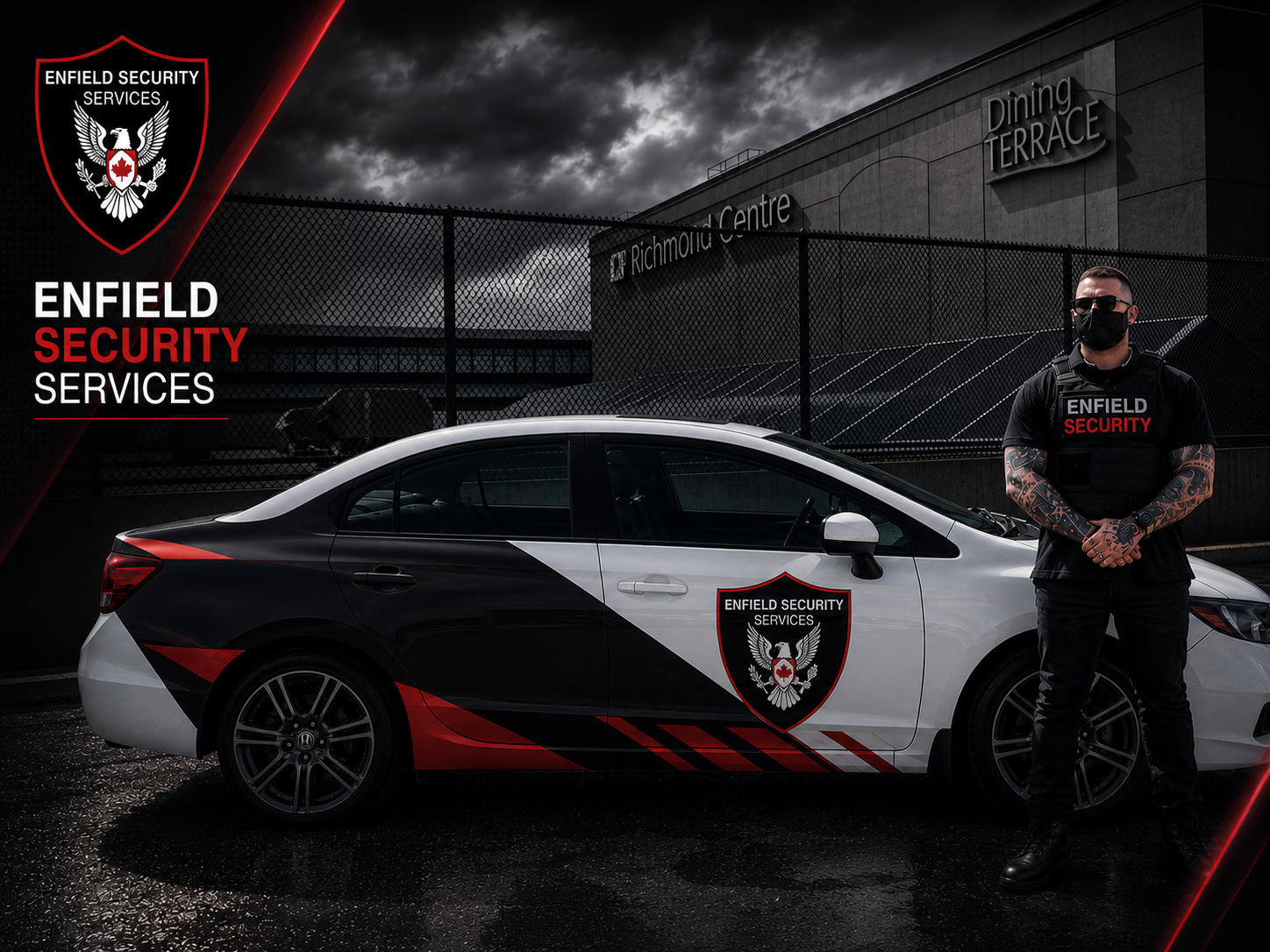
A mobile patrol security officer checks key areas of a property for security and safety concerns. This typically includes gates, entrances, doors, windows, perimeter fencing, parking areas, exterior lighting, equipment, suspicious activity and signs of forced entry. If an issue is found, the officer follows established procedures, documents the incident and notifies the appropriate contact.
Mobile Patrol Security Is More Than Just Driving Around
When people think about mobile patrol security, they often imagine a marked security vehicle driving through a property at regular intervals. While visible patrols are certainly an important deterrent, a professional security visit involves much more than simply checking whether everything looks normal.
A trained mobile patrol officer follows a structured approach to inspect vulnerable areas, identify unusual activity and respond appropriately when potential security or safety issues are discovered.
For businesses, construction sites, industrial properties, residential communities and vacant properties in Calgary, regular security patrols can provide an additional layer of protection when a permanent security guard is not required at the site 24/7.
So, what does a mobile patrol officer actually check during a security visit?
From gates and doors to perimeter fencing, suspicious vehicles, exterior lighting and signs of forced entry, this guide explains what happens during a professional mobile patrol security visit and why each check matters.
What Is a Mobile Patrol Security Visit?
A mobile patrol security visit is a scheduled or randomized inspection carried out by a trained security officer using a patrol vehicle.
The purpose of the visit is to inspect the property, identify security concerns and provide a visible security presence.
Depending on the type of property and the security requirements, a patrol officer may perform checks during the day, overnight or at specific high-risk times.
A typical mobile patrol security visit may include:
- Inspecting gates and entrances
- Checking doors and accessible windows
- Walking or driving around the perimeter
- Monitoring parking areas
- Looking for suspicious vehicles or individuals
- Inspecting exterior lighting
- Checking equipment and storage areas
- Looking for signs of vandalism or forced entry
- Identifying potential fire and safety hazards
- Reporting and responding to issues
The exact patrol checklist should always be based on the property’s unique risks.
For example, the security needs of a construction site may be very different from those of a commercial office building or residential community.
For a more detailed overview of professional patrol services, you can explore our Mobile Patrol Security Calgary service page.
1. Gates and Entrances
Gates and entrances are usually among the first areas checked during a mobile patrol security visit.
These access points are important because they control who can enter or leave the property.
A mobile patrol officer may check whether:
- Gates are properly closed
- Locks are secure
- Access barriers are functioning correctly
- Entry points show signs of tampering
- Unauthorized vehicles are present
- Gates have been left open accidentally
- The surrounding area appears unusual
An open gate after business hours can create a serious security risk, especially at construction sites, industrial facilities or storage yards.
In some situations, a patrol officer may be instructed to secure the area immediately and report the issue to the appropriate contact.
Why Entrance Checks Matter
Many security incidents begin with unauthorized access.
Regular checks of gates and entry points can help identify potential vulnerabilities before they become more serious problems.
2. Doors and Windows
Doors and windows are among the most common points of unauthorized entry.
During a patrol visit, the officer may inspect exterior doors and accessible windows to ensure they appear secure.
Depending on the property and patrol instructions, checks may include:
- Doors that have been left unlocked
- Doors that are partially open
- Damaged locks
- Broken glass
- Windows that are open unexpectedly
- Signs of tampering
- Evidence of attempted forced entry
The officer is not simply looking for a door that is completely open.
Even a damaged lock, unusual marks around a frame or a window that appears slightly disturbed could indicate a potential security issue.
Commercial Properties
For offices and commercial properties, regular door checks are particularly important after employees have left for the day.
A door accidentally left unsecured may provide an easy opportunity for unauthorized access.
Vacant Properties
Vacant buildings can be especially vulnerable to trespassing, vandalism and break-ins. Regular mobile patrol visits can help identify problems before they remain unnoticed for extended periods.
3. Perimeter Fencing and Property Boundaries
A property’s perimeter is often the first line of physical security.
A mobile patrol officer may inspect fencing and boundaries for signs of damage or unauthorized access.
This may include checking for:
- Damaged fencing
- Cut sections of fencing
- Open access points
- Signs that someone has climbed the fence
- Areas where the perimeter is poorly secured
- Unusual objects placed near the fence
Perimeter checks are particularly important for:
- Construction sites
- Industrial facilities
- Equipment yards
- Warehouses
- Storage properties
- Vacant land
A damaged section of fencing may provide an easy entry point for unauthorized individuals.
By identifying the issue quickly, property owners can take action before the vulnerability leads to theft, vandalism or other incidents.
4. Parking Areas and Vehicles
Parking lots can experience a variety of security concerns, particularly during the evening or overnight.
During a mobile patrol security visit, an officer may inspect the parking area for unusual activity and visible security concerns.
This can include looking for:
- Suspicious or unauthorized vehicles
- Vehicles parked in unusual locations
- Signs of vehicle break-ins
- Damaged property
- People loitering around the area
- Poorly lit sections
- Obstructed access routes
The goal is not to assume that every unfamiliar vehicle represents a threat.
Instead, the officer evaluates the situation based on the property’s normal activity and established security procedures.
For example, a vehicle parked behind a closed commercial building at 3:00 AM may require further attention, while the same vehicle during normal business hours may not be unusual.
5. Suspicious Vehicles and Unusual Activity
One of the most valuable aspects of mobile patrol security is the ability to identify activity that does not appear normal for a particular property.
A professional patrol officer becomes familiar with the location, typical activity patterns and areas of concern.
During a security visit, the officer may look for:
- Vehicles parked in restricted areas
- Vehicles with no apparent connection to the property
- Individuals attempting to access secured areas
- Unusual movement around equipment or storage areas
- People loitering after business hours
- Repeated activity near gates or entrances
Context is extremely important.
A vehicle alone may not be suspicious. However, its location, time of day, behaviour of the occupants and connection to the property can all help determine whether further investigation is necessary.
If a situation appears to require escalation, the officer follows established procedures and may contact the property representative or emergency services when appropriate.
6. Exterior Lighting
Good lighting is an important part of property security.
Poorly lit areas can create opportunities for unauthorized activity and make it more difficult for security officers, employees and visitors to identify potential risks.
During a mobile patrol visit, an officer may notice:
- Burned-out lights
- Dark parking areas
- Damaged light fixtures
- Areas with unusually poor visibility
- Lights that should be operating but are not
Lighting problems may not always require an immediate emergency response, but they should be documented and reported.
For example, a dark area near a rear entrance or storage yard could create a significant security vulnerability if left unresolved.
7. Equipment and Storage Areas
Construction sites, industrial properties and commercial facilities often contain valuable equipment, tools or materials.
These areas may be specifically included in the mobile patrol checklist.
An officer may inspect:
- Equipment storage areas
- Tool containers
- Outdoor machinery
- Material storage locations
- Loading areas
- Service yards
The officer may look for signs that equipment has been moved, damaged or accessed without authorization.
For construction sites, theft can result in more than the loss of valuable tools. It can also delay projects and disrupt daily operations.
Regular mobile patrols can provide an additional level of oversight during periods when workers are not on-site.
8. Signs of Forced Entry or Property Damage
One of the most important responsibilities during a patrol visit is identifying visible signs of forced entry.
These signs may include:
- Broken windows
- Damaged doors
- Forced locks
- Bent gates
- Cut fencing
- Damaged security barriers
- Vandalism
- Graffiti
- Property damage
The patrol officer documents what is observed and follows the appropriate response procedures.
Depending on the situation, this may involve:
- Assessing the immediate situation from a safe position
- Protecting the area when possible
- Contacting the designated property representative
- Escalating the incident when emergency assistance is required
- Preparing an incident report
A fast response can be important because property owners may not otherwise discover a break-in or security issue until the following business day.
9. Fire and Safety Hazards
Mobile patrol security is primarily focused on protecting people and property, but patrol officers may also identify visible safety concerns during their visits.
Potential hazards can include:
- Smoke or unusual odours
- Signs of fire
- Damaged barriers
- Obstructed emergency exits
- Water leaks
- Hazardous conditions around the property
- Unsecured materials
- Unusual alarms or warning signals
Security officers should follow the site’s established emergency procedures and respond according to the situation.
Early identification of a visible safety issue can help property managers address a problem before it causes more significant damage.
10. The Overall Condition of the Property
A professional mobile patrol officer does not only look for major emergencies.
Sometimes, the most important observations are small changes that indicate something may be wrong.
For example:
- A normally closed gate is open
- A vehicle is parked where it usually is not
- Exterior lighting has suddenly stopped working
- Equipment appears to have been moved
- A fence has new damage
- A door looks different from the previous patrol
These details can help identify potential problems early.
This is why consistent patrols can be valuable. Officers who regularly visit a property can become familiar with its normal condition and more easily recognize unusual changes.
What Happens When a Mobile Patrol Officer Finds an Issue?
Finding a security concern is only part of the job.
A professional mobile patrol officer must also know what actions to take next.
The appropriate response depends on the situation and the instructions established by the client.
A typical response process may include the following.
Step 1: Assess the Situation
The officer evaluates the visible situation and determines whether there is an immediate risk to people or property.
Officer safety remains an important consideration.
Step 2: Follow Site-Specific Procedures
Every property may have different instructions.
The officer may have authorization to:
- Contact a property manager
- Secure an unsecured entrance
- Monitor the area
- Request additional security support
- Contact emergency services when necessary
Step 3: Document the Incident
Accurate reporting is an important part of professional security services.
The officer may document:
- What was observed
- The location of the issue
- The time it was discovered
- Actions taken
- Any notifications made
Clear reporting helps property managers understand what happened and identify recurring security concerns.
Step 4: Notify the Appropriate Contact
Depending on the issue, the client or designated emergency contact may be notified.
The response should be based on the severity and urgency of the situation.
Why Regular Mobile Patrol Visits Are Effective
One of the main advantages of mobile patrol security is that visits can be scheduled according to the property’s risk level.
Unlike relying on a single security check at the end of the day, regular patrol visits create repeated security oversight.
Benefits can include:
A Visible Security Presence
Marked security patrols can increase the perceived risk of detection for individuals considering unauthorized activity.
Faster Identification of Security Issues
Problems such as open gates, damaged fencing or signs of forced entry may be discovered sooner.
Flexible Security Coverage
Mobile patrol services can be adapted based on the property, operating hours and level of risk.
A Cost-Effective Alternative for Some Properties
Not every location requires a full-time security guard on-site.
Scheduled mobile patrol visits can provide regular checks without continuous physical coverage.
Better Property Oversight
Regular reports and patrol observations can help property managers stay informed about security concerns occurring after normal business hours.
Which Properties Can Benefit From Mobile Patrol Security?
Mobile patrol services can be useful for many types of properties in Calgary.
Common examples include:
- Commercial buildings
- Office properties
- Retail locations
- Construction sites
- Warehouses
- Industrial facilities
- Residential communities
- Apartment buildings
- Vacant properties
- Equipment yards
- Storage facilities
The best approach depends on the specific risks associated with the property.
For example, a construction site may require overnight perimeter checks, while a commercial property may benefit from door and parking area inspections after business hours.
A professional security provider can help determine the appropriate patrol frequency and inspection requirements.
What Should Be Included in a Mobile Patrol Checklist?
A professional patrol checklist should be customized to the property.
However, a typical checklist may include the following areas:
Access Points
- Gates
- Doors
- Windows
- Loading entrances
Perimeter Security
- Fencing
- Property boundaries
- Restricted access areas
Parking Areas
- Unauthorized vehicles
- Suspicious activity
- Damaged property
Exterior Conditions
- Lighting
- Doors and locks
- Signs of vandalism
Equipment and Assets
- Machinery
- Tools
- Storage areas
- Outdoor equipment
Safety Concerns
- Fire hazards
- Damaged barriers
- Obstructed exits
- Visible property hazards
Reporting
- Incident details
- Patrol observations
- Actions taken
- Client notifications
The most effective checklist is not necessarily the longest one. It is the one designed around the actual vulnerabilities of the property.
Mobile Patrol Security vs Static Security Guards
Mobile patrol security and static security guard services serve different purposes.
A static security guard remains at a specific location for an extended period. This may be appropriate for properties that require continuous monitoring, access control or immediate on-site assistance.
A mobile patrol officer visits one or more locations according to a planned patrol schedule.
Mobile patrol services may be suitable when a property requires:
- Regular inspections
- Visible security presence
- After-hours checks
- Perimeter monitoring
- Flexible coverage
In some cases, businesses may use a combination of both services depending on their security needs.
Choosing a Mobile Patrol Security Company in Calgary
When choosing a mobile patrol security provider, property owners should look beyond simply asking how often a patrol vehicle will visit.
Important questions may include:
- What areas will the officer inspect?
- Is the patrol checklist customized for the property?
- How are incidents reported?
- What happens if an officer discovers a security issue?
- How are urgent situations escalated?
- Can patrol schedules be adjusted based on risk?
- Does the company understand the security requirements of the property type?
A quality security plan should focus on actual risks rather than offering the same approach to every client.
Final Thoughts: A Mobile Patrol Visit Is a Structured Security Check
A professional mobile patrol officer does far more than simply drive past a property.
During a security visit, the officer may inspect gates, doors, windows, fencing, parking areas, lighting, equipment and other vulnerable parts of the property.
They also look for unusual activity, signs of forced entry, property damage and visible safety hazards.
Most importantly, they are trained to identify when something is not normal and follow established procedures to report or respond to the issue.
For businesses and property managers, regular mobile patrol visits can provide greater peace of mind and help identify potential security concerns when the property would otherwise be unattended.
Need Professional Mobile Patrol Security in Calgary?
If you are looking for reliable mobile patrol security for a commercial property, construction site, residential community or other location, a customized security plan can help address the specific risks facing your property.
Explore our Mobile Patrol Security Calgary services to learn how professional patrol officers can help protect your property through scheduled inspections, visible patrols and responsive security support.