

Calgary’s construction industry is growing at one of the fastest rates in Canada. New residential communities, commercial developments, infrastructure upgrades, and industrial projects are transforming the city. While this growth creates opportunities, it also brings a challenge many builders didn’t anticipate—construction site crime.
Across Calgary, contractors are reporting more overnight break-ins, stolen tools, missing copper wire, vandalism, unauthorized site access, and project delays caused by theft. Calgary Police Service has also highlighted a significant increase in construction-related thefts as the city’s building activity continues to expand. Recent reporting indicates hundreds of construction site thefts were recorded in Calgary, with new developments on the outskirts of the city becoming frequent targets.
For developers, general contractors, and project managers, security is no longer just about fencing a property. It has become an essential part of project planning, risk management, insurance compliance, and cost control.
This guide explores the current security challenges facing Calgary construction projects and explains how proactive security measures help reduce losses before they happen.

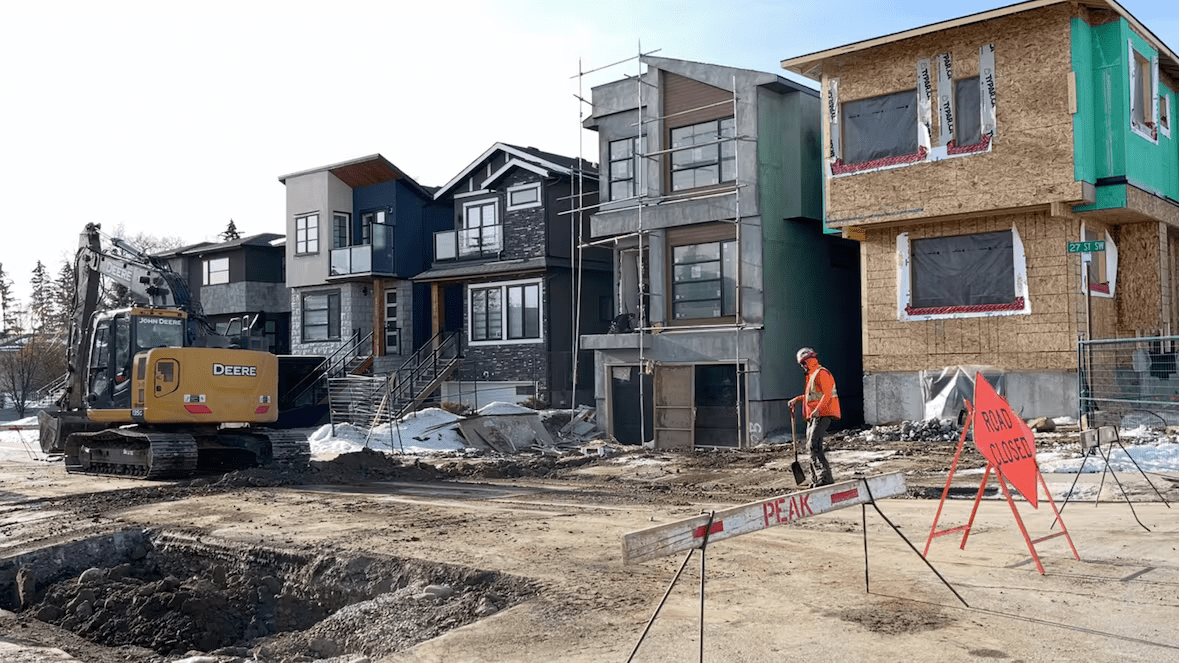
Calgary’s Building Boom Has Changed Construction Security
Over the last few years, Calgary has experienced rapid residential and commercial expansion.
New communities continue to emerge throughout the city while industrial developments expand across southeast Calgary, logistics hubs grow near major transportation corridors, and infrastructure projects continue throughout Alberta.
While these developments support economic growth, they also create thousands of temporary construction sites that often remain unattended overnight.
Unlike completed buildings, active construction sites typically contain:
- Expensive power tools
- Heavy equipment
- Copper wiring
- Lumber
- HVAC systems
- Appliances waiting for installation
- Fuel tanks
- Temporary electrical systems
These assets can often be removed quickly and sold illegally.
Large developments located on the edge of new communities usually have fewer nearby residents, limited overnight traffic, and less natural surveillance, making them more attractive to opportunistic criminals. Calgary Police have linked this rapid development with increased opportunities for construction theft.
The Real Cost of Construction Theft
When people think about theft, they usually focus on replacing stolen materials.
In reality, the stolen equipment is often only a small portion of the financial impact.
A single overnight theft can lead to:
- Delayed project schedules
- Emergency material replacement
- Labour downtime
- Missed subcontractor schedules
- Insurance claims
- Increased insurance premiums
- Client dissatisfaction
- Additional security expenses
For example, stolen electrical wire may cost only a few thousand dollars to replace, but the resulting delays can affect multiple trades waiting to continue work.
Every day a project is delayed increases labour costs and can push back occupancy dates.
Why Construction Sites Are Becoming Easier Targets
Modern construction projects involve many moving parts.
On a busy site, dozens of subcontractors may arrive throughout the day.
Material deliveries occur continuously.
Equipment moves between sites.
Temporary workers rotate frequently.
This complexity creates opportunities for unauthorized access if proper verification procedures are not in place.
Common security gaps include:
- Shared gate access codes
- Poor visitor tracking
- Inadequate lighting
- Limited camera coverage
- Unlocked storage containers
- Materials left outside overnight
- No overnight patrols
- Delayed reporting of suspicious activity
Many thefts occur after normal working hours when sites appear completely empty.
Copper Theft Has Become a Growing Problem
Copper remains one of the most commonly targeted materials on Canadian construction sites.
Its high resale value makes electrical wiring, plumbing materials, and mechanical components attractive to organized thieves.
Across Canada, rising copper prices have increased theft from construction projects, utility sites, and industrial facilities. Calgary Police have also reported successful investigations involving stolen copper tracked from local construction sites.
Unfortunately, replacing stolen copper often requires electricians to repeat completed work, delaying inspections and project milestones.
Vandalism Is Just as Expensive
Not every security incident involves stolen materials.
Construction companies also face:
- Graffiti
- Broken windows
- Damaged fencing
- Destroyed lighting
- Cut temporary power
- Equipment tampering
- Fuel theft
- Unauthorized vehicle access
These incidents increase repair costs while creating safety risks for workers returning the next morning.
Why Fencing Alone Is No Longer Enough
Temporary fencing remains an important first layer of security.
However, experienced criminals know most construction sites are unoccupied overnight.
Without active monitoring, fencing simply slows entry rather than preventing it.
Modern construction security combines multiple layers of protection, including:
- Licensed security guards
- Mobile patrols
- CCTV surveillance
- Remote monitoring
- Access control
- Alarm response
- Visitor verification
- Incident reporting
The objective is early detection and rapid response before losses escalate.
How Professional Construction Security Reduces Risk
Professional security teams do far more than watch a gate.
They become part of a project’s risk management strategy.
Services typically include:
Mobile Patrols
Randomized patrol schedules discourage repeat offenders by creating uncertainty about when security personnel will arrive.
Access Control
Monitoring everyone entering and leaving the site helps verify workers, subcontractors, suppliers, and visitors.
CCTV Monitoring
Visible cameras supported by live monitoring provide valuable evidence while helping identify suspicious behaviour before a crime occurs.
Overnight Security Guards
Large commercial projects often benefit from dedicated overnight security personnel who can respond immediately to trespassing or attempted theft.
Incident Documentation
Professional reporting supports insurance claims, police investigations, and internal project records.
Security Should Begin Before Construction Starts
One of the biggest mistakes contractors make is waiting until after the first theft before hiring security.
By then, valuable equipment has already been lost.
Instead, security planning should begin during pre-construction.
Questions every builder should ask include:
- Where will expensive materials be stored?
- Which areas require camera coverage?
- How will subcontractors access the site?
- Who verifies visitors?
- What happens if alarms activate overnight?
- Who responds after business hours?
Planning these procedures early often reduces both financial risk and project disruption.
Best Practices for Calgary Construction Sites
Construction companies across Calgary can strengthen site security by adopting practical measures recommended by local industry groups and law enforcement:
- Install adequate lighting around entrances and storage areas.
- Lock high-value tools and equipment in secure containers.
- Schedule deliveries so materials spend less time unattended.
- Report every theft or suspicious incident to police to help identify crime patterns.
- Use security patrols with varying schedules instead of predictable rounds.
- Verify worker identification and visitor access.
- Position surveillance cameras to cover gates, storage areas, and equipment yards.
Choosing the Right Construction Security Partner
Every construction project has different security requirements.
A small infill development requires a different strategy than a multi-phase residential subdivision or an industrial facility.
An experienced Calgary security provider should understand:
- Local crime trends
- Construction workflows
- Contractor operations
- Alberta safety expectations
- Emergency response procedures
- Coordination with site supervisors
The goal is to integrate security into daily operations without slowing productivity.
Final Thoughts
Construction theft is no longer an occasional inconvenience in Calgary—it has become a significant operational risk. As the city continues to expand, builders must balance faster project delivery with stronger protection for people, equipment, and materials.
Investing in professional construction security is not simply about preventing theft. It helps keep projects on schedule, protects valuable assets, supports insurance requirements, and gives contractors greater confidence that their sites remain secure after crews leave for the day.
For developers, builders, and project managers, proactive security is one of the most cost-effective investments a project can make.